
The original addition to the building was constructed shortly after the Second World War and served primarily as office space. Like many buildings from that era, it was built during a time when high-quality construction materials were scarce. Brick, steel, wood, and glazing were often inconsistent in quality, and building science knowledge was limited compared to today’s standards. While the structure fulfilled its purpose for decades, it ultimately struggled to provide the comfort, performance, and flexibility expected of modern workspaces.
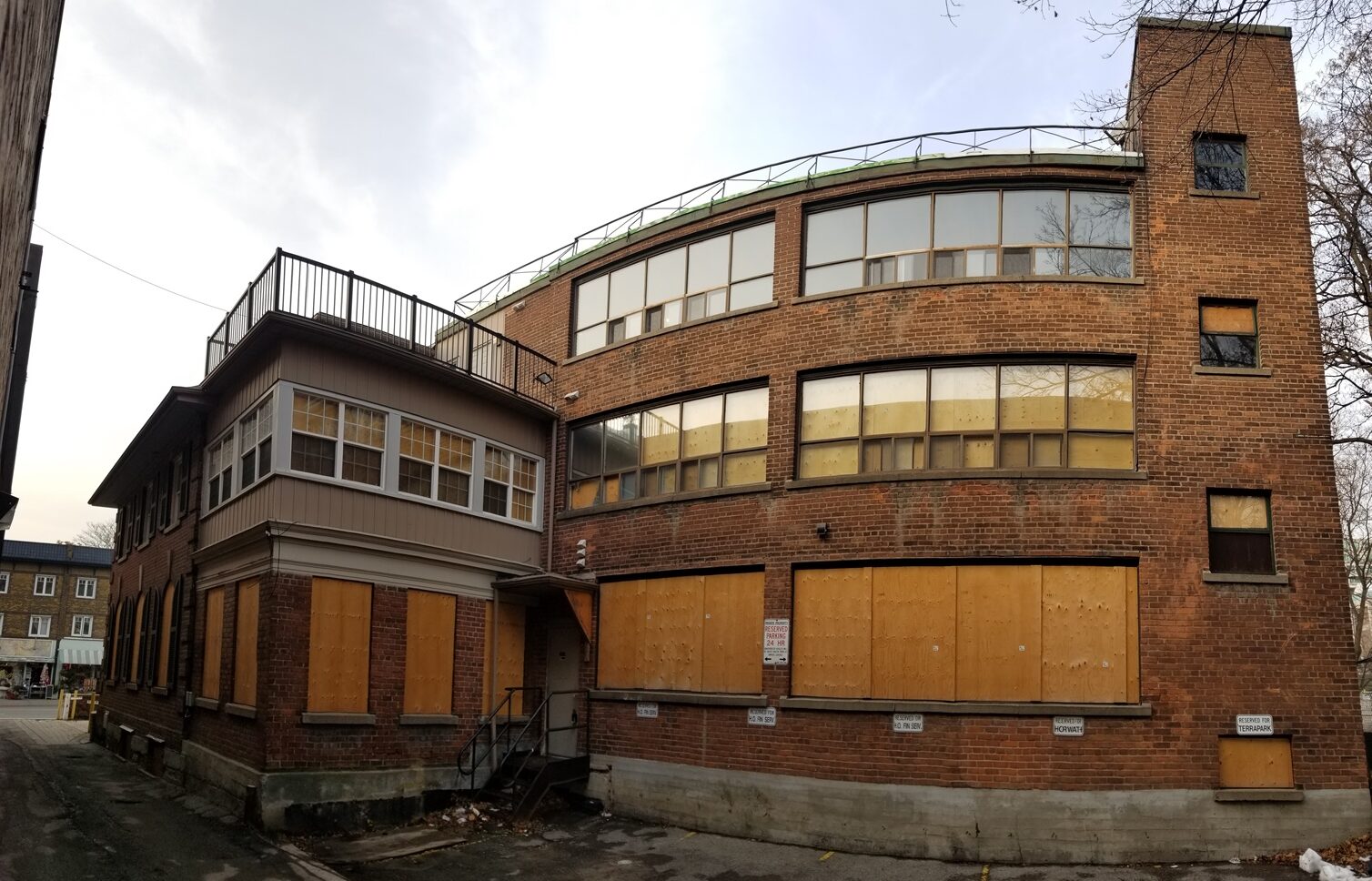
Over time, the addition revealed several challenges. Thermal comfort within the offices was poor, largely due to inadequate insulation and significant thermal bridging through the building envelope. Single-pane windows and inefficient wall assemblies allowed heat to transfer easily between the exterior and interior, placing strain on heating systems in winter and reducing overall energy performance – and worse, facilitating condensation related to structural deterioration. Natural lighting was also difficult to control, and interior spaces did not fully benefit from the site’s potential views.
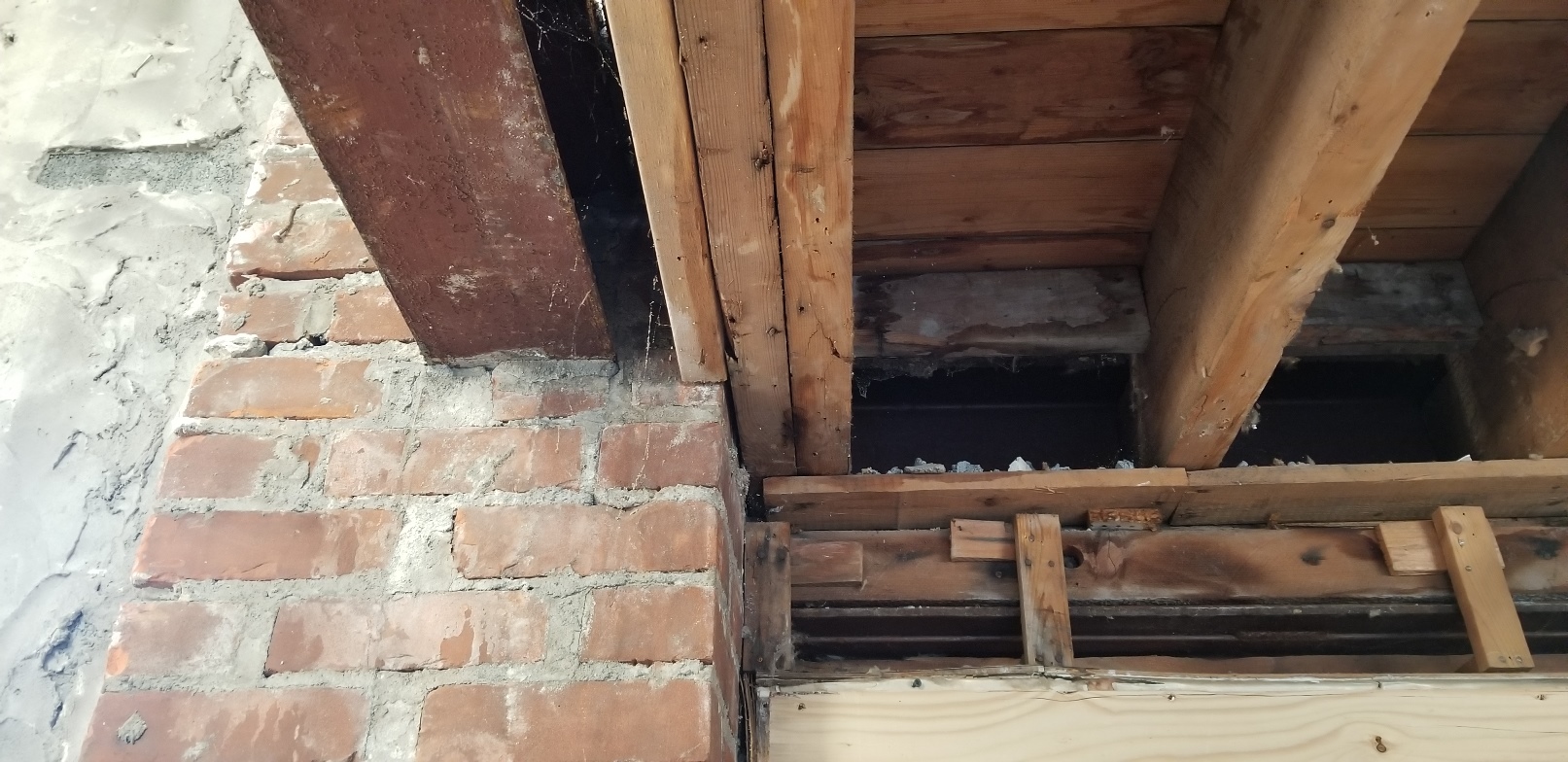
Further investigation uncovered additional structural and design limitations. The building’s construction reflected common 1950s techniques that relied on materials with lower durability and minimal attention to long-term energy performance. Deteriorating masonry, cracks in the foundation, and moisture infiltration pointed to a structure approaching the end of its service life. The building’s original configuration also blocked potential views toward the surrounding green space and Rosedale area, reducing the visual connection between interior spaces and the landscape.
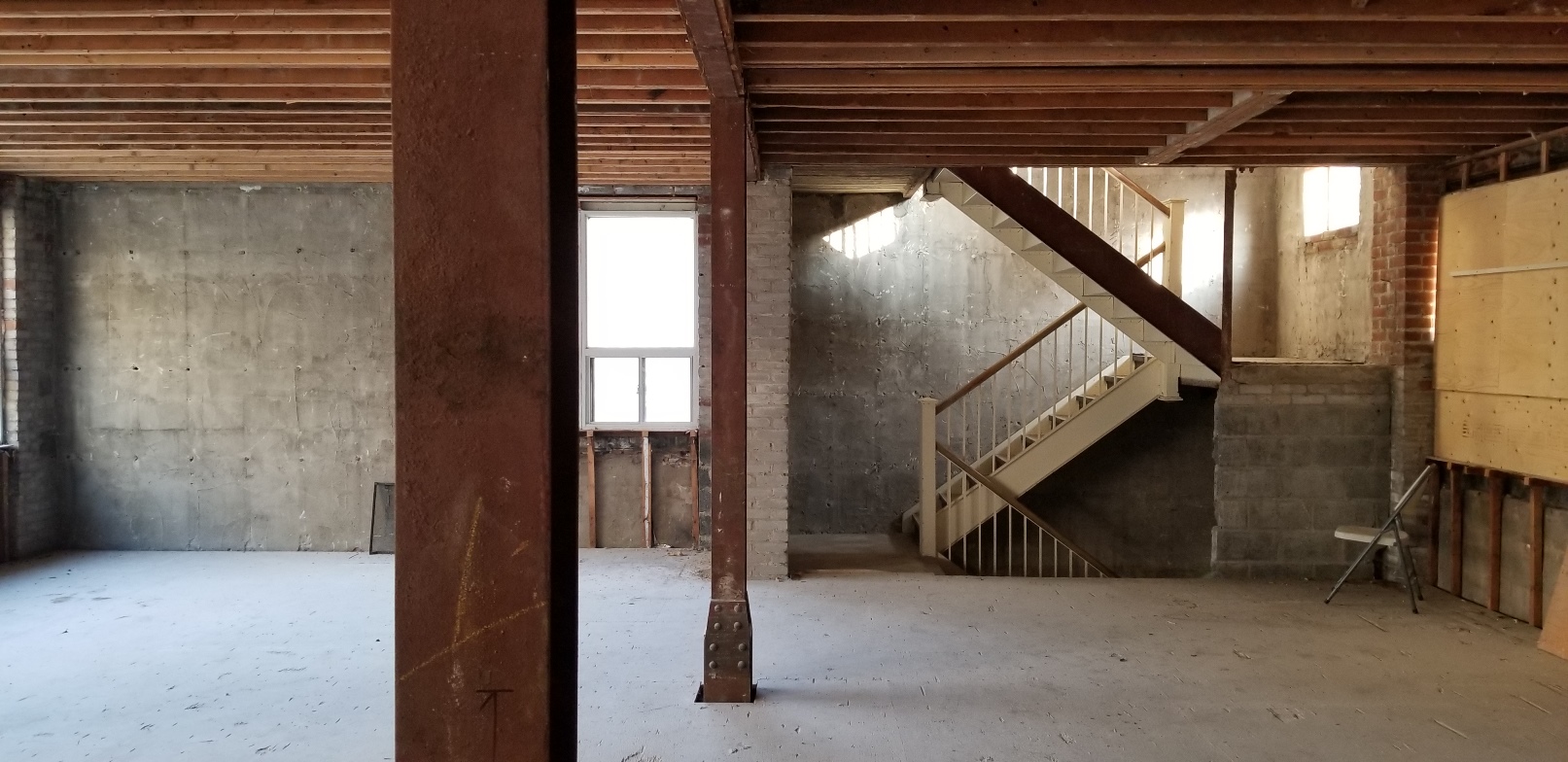
Equally important was how the addition occupied the site. Due to heritage preservation requirements, the original Jarvis house needed to remain in its historic location, which constrained where new development could occur. The existing addition did not maximize the available footprint and limited opportunities for future growth. Maintaining the structure would have restricted the building’s long-term potential while continuing to carry the performance challenges of the original construction.
For these reasons, the decision was made to remove the aging addition and design a new one that better supports the building’s future. The new addition focuses on sustainability, efficiency, and flexibility. Its footprint has been optimized to make better use of the site while creating views toward the southeast green space. Large windows and improved orientation allow natural light to become a defining feature of the interior environment.
A key objective of the project was long-term adaptability. The new structure has been designed with an eight-storey-ready foundation, allowing up to four additional storeys to be added in the future, if needed. Planning for this growth extended beyond the foundation. Building systems, including water service, sewer capacity, electrical infrastructure, and vertical service chases – concealed shafts within the building to allow for the routing of utilities like plumbing pipes and HVAC ducts – were all sized to accommodate future expansion. Even the elevator system was selected with potential future height and speed requirements in mind.
Today, the new addition represents more than just replacement space. It is a forward-looking investment that improves comfort, maximizes the site’s potential, and prepares the building to evolve as needs change: ensuring the property remains functional, sustainable, and adaptable for decades to come.
Read our earlier Insights posts on Yonge Office here.