
Building on the site’s evolution outlined in earlier chapters, the Yonge Office project began with a defining decision: the deteriorated post-war addition, preserve and restore the original heritage house. Recognizing the importance of the South Rosedale Heritage Conservation District, this approach balances respect for cultural continuity with the practical needs of a modern building.
Restoring the Historic Character
The objective extends beyond maintaining the façade. It involves restoring key architectural elements, replacing compromised components, such as the roof, and respecting original proportions, materials, and streetscape relationships. At the same time, the building must perform to modern standards while balancing authenticity with durability, energy performance, and long-term adaptability.
A Complex Network of Stakeholders
Delivering this vision required coordination across a wide range of stakeholders:
- Toronto Preservation Board (HPB)
- City of Toronto Planning department
- ERA Architects (heritage consultants)
- South Rosedale Ratepayers’ Association
- Immediate neighbours
- The City’s Committee of Adjustment
- Toronto Preservation Board
- Toronto City Council
- Toronto Transit Commission (TTC)
- The Owner
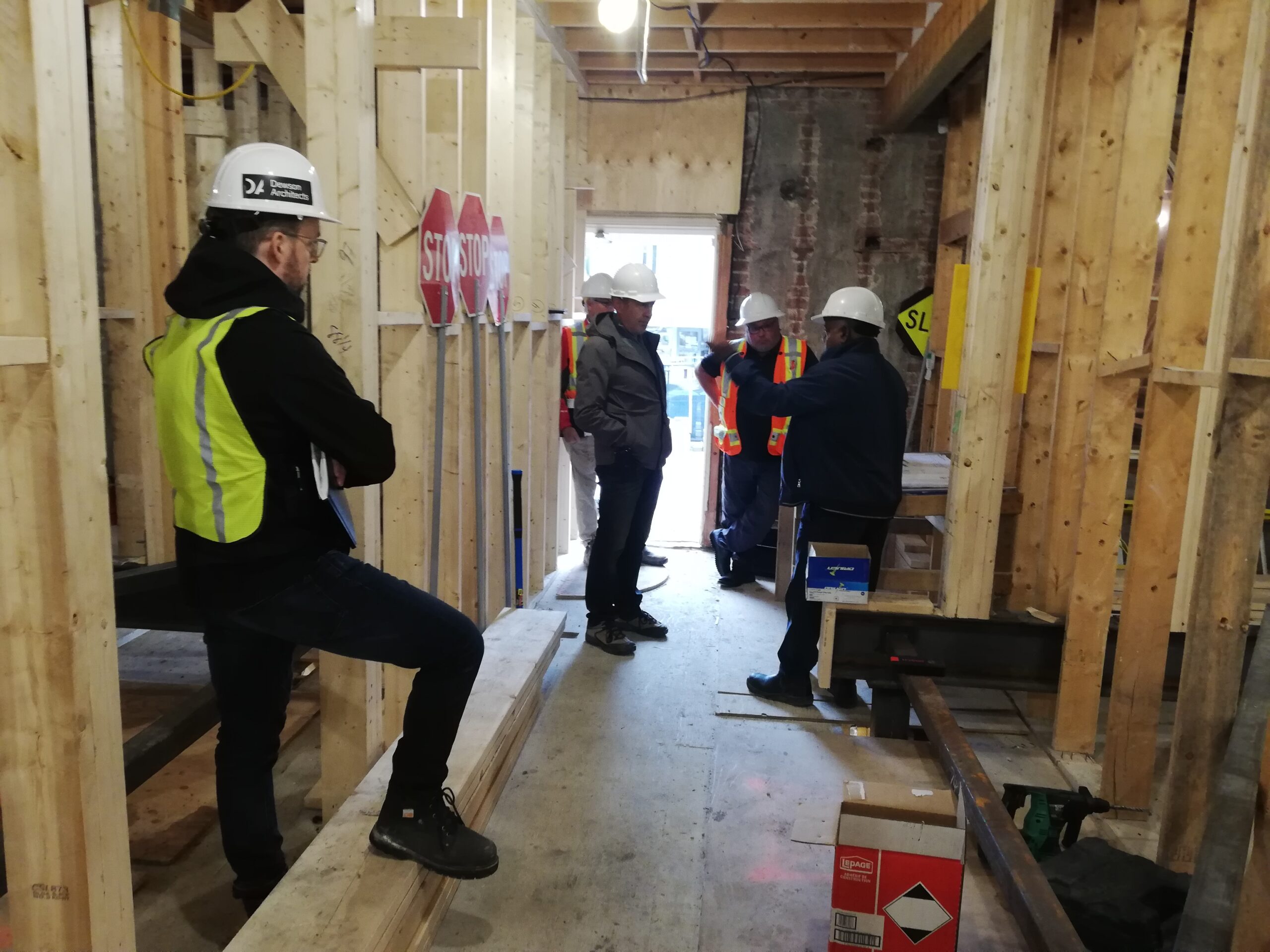
Engagement followed a strategic sequence, which began with heritage authorities and community groups, then advancing through planning and regulatory approvals, all while ensuring early alignment and reducing risk later in the process.
Balancing Competing Objectives
The project required careful negotiation between:
- Owner’s vision
- Heritage preservation requirements
- Urban planning constraints
- Modern architectural performance
Seeking this balance shaped key decisions. Heritage guidelines enforced the original front yard setback despite zoning flexibility. Height restrictions limited additions above the existing roofline. HPB’s material requirements, such as painted wood windows, conflicted with more durable modern systems. Even glazing placement and orientation were adjusted to improve daylight penetration and views, while remaining sensitive to the existing structure.
Collaborative Leadership
Navigating the project required sustained coordination through a layered and rigorous approvals process. Dewson Architects played a central role in guiding stakeholders through this complex process while advancing the project at each stage. This involved translating regulations into design solutions, coordinating with consultants and authorities, and advocating for sustainable approaches within a heritage framework.
The result is a collaborative outcome – one that respects historical integrity while delivering a functional, future-ready building.
A Narrative-Driven Design
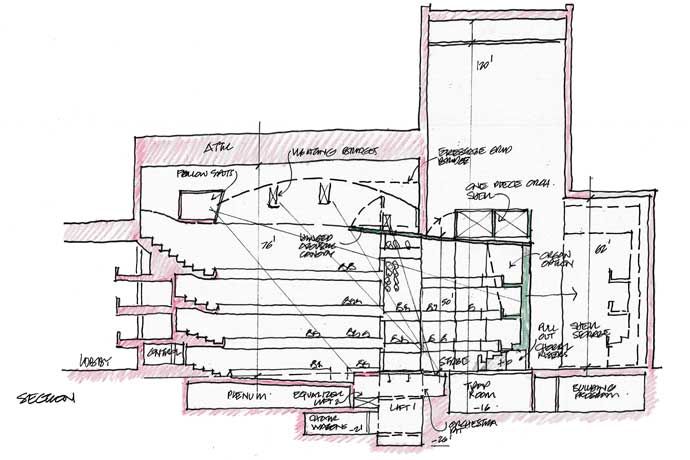
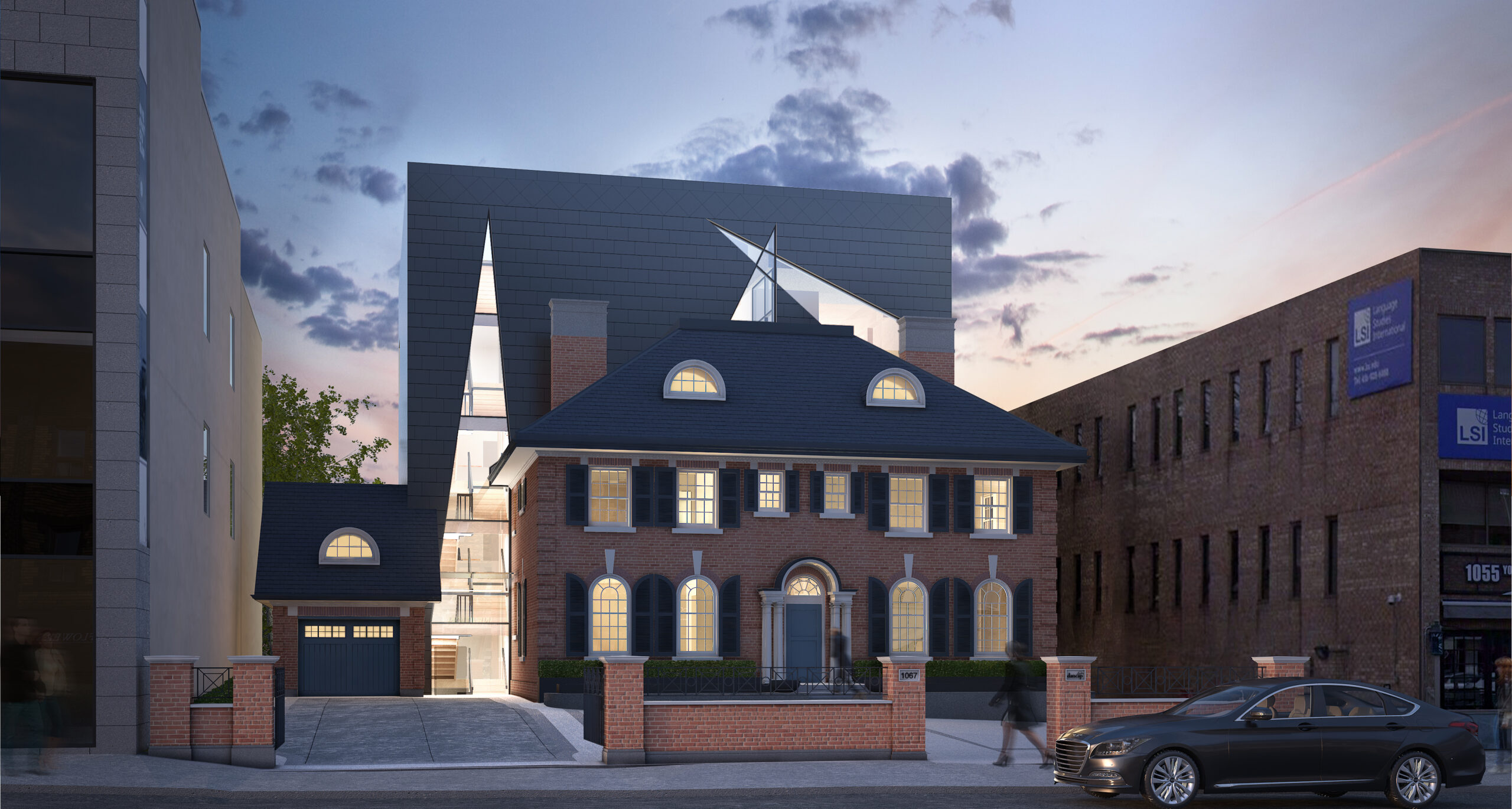
Inspired by the owner’s background in theatre, the building is conceived as a symbolic performance space:
- The heritage house as the “front of house”
- The new addition as the “back of house”
- A triangular window acting as a “stage light”
This narrative helped communicate the project’s intent and unify design decisions across stakeholders.
A Flexible, Multi-Use Future
The building is designed as a multi-use environment, accommodating office, fitness, and event spaces. Improved design for natural light penetration, reoriented views, and upgraded systems enhance comfort and usability, while ensuring long-term sustainability.
The Yonge Office project demonstrates the complexity and opportunity of working within a heritage context. Through strategic coordination, clear vision, and collaborative leadership, it achieves a balance between preservation and progress, thus delivering a building that is historically grounded, adaptable, and built for the future.