
As the Yonge Office project advanced into detailed design and construction, our attention shifted to the systems that define how the building performs. Beyond its architectural and heritage expression, the design intent was underpinned by a tightly integrated environmental strategy focused on reducing embodied carbon, improving operational efficiency, and supporting long-term adaptability.
Mass Timber Structure
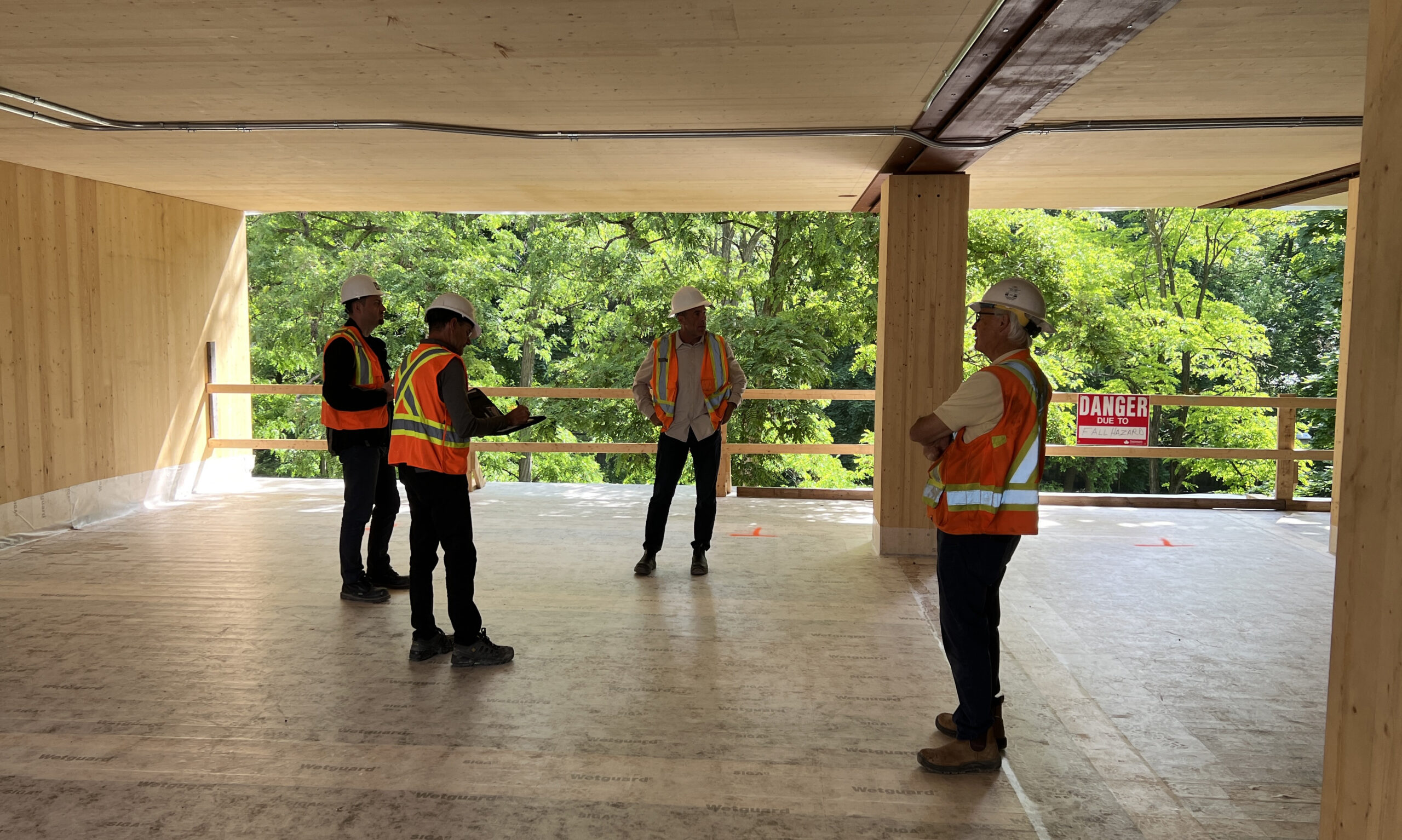
The new rear addition was constructed using a mass timber structural system, incorporating floor and wall panels supported by glulam columns. CLT is an engineered wood product made by layering timber boards in alternating directions to create strong, lightweight structural panels, while glulam (glue-laminated timber) columns are built by bonding layers of wood together to create highly durable structural members. Mass timber was selected not only for its structural efficiency, but also for its significantly lower environmental impact.
In fact, from extraction through to installation, mass timber generally carries a substantially lower embodied carbon footprint than conventional structural materials. Depending on the product type and supply chain, mass timber can result in approximately 80 to 150 kg CO₂ equivalent per cubic metre, compared with roughly 300 to 500 kg CO₂ equivalent per cubic metre for structural concrete. Structural steel systems typically have significantly higher embodied carbon impacts, which can exceed 900 kg CO₂ equivalent per cubic metre, depending on fabrication and system design. This difference underscores the importance of early material decisions in shaping a building’s overall embodied carbon footprint.
A Design for Future Growth
The structural system was designed with long-term flexibility in mind, allowing for a potential vertical expansion of up to four additional storeys in the future. This capacity is not an afterthought but rather an option that we accounted for during the structural engineering phase, and further coordinated across civil, mechanical, electrical, and plumbing systems. By planning for expansion from the outset, the design supported a phased building lifecycle and reduced the risk of premature obsolescence.
High-Performance Envelope
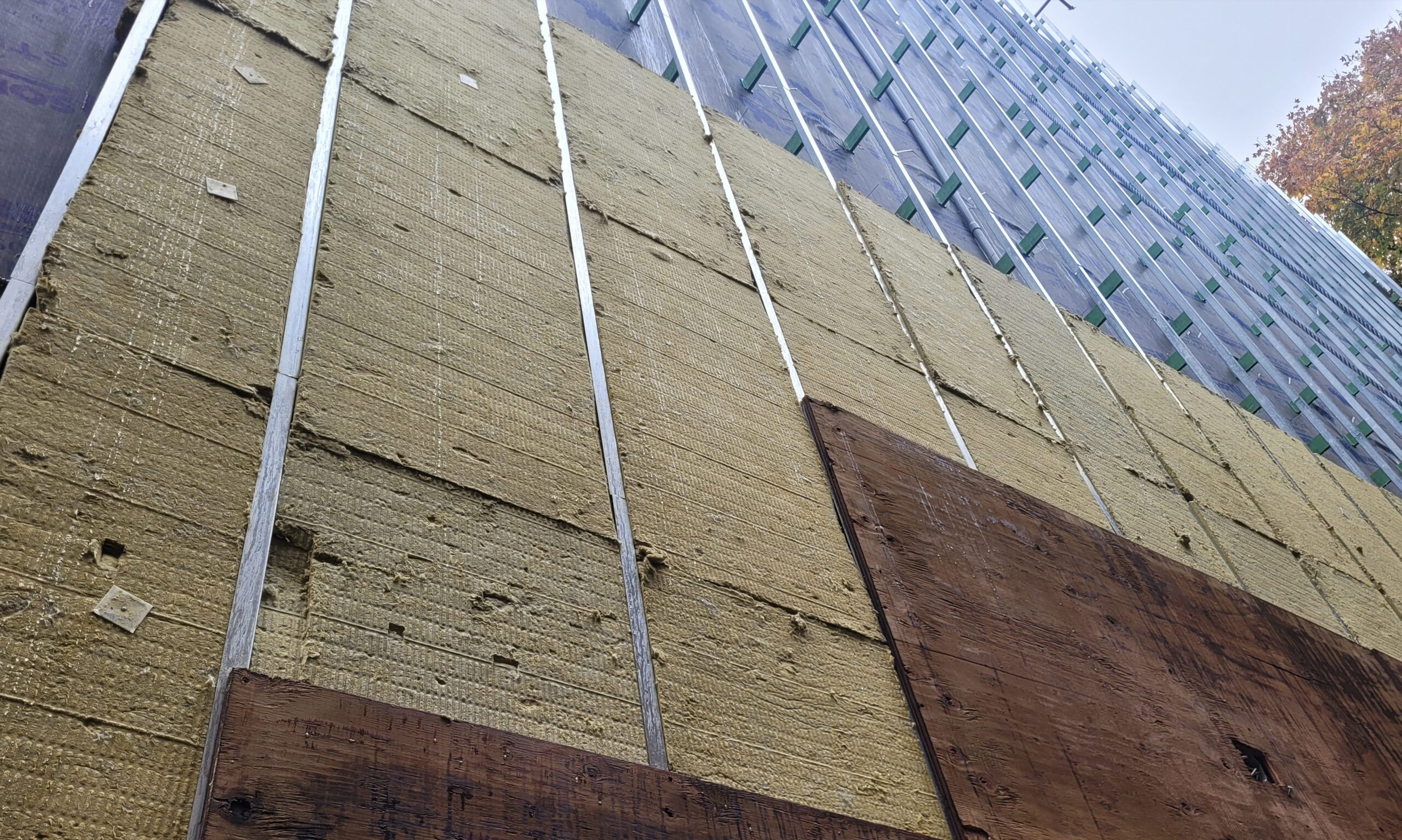
The building enclosure was designed with continuous insulation and carefully detailed connections to reduce unwanted heat loss in the winter and keep cool air inside during the summer. To further improve the overall envelope performance, we used thermally broken structural connections. These are specialized connectors designed to limit the transfer of heat through the building structure.
These strategies contributed to significantly stronger thermal performance than a conventional building. Wall assemblies achieved an effective R-value of approximately R-44 and roof assemblies reached R-57.5, performing roughly 56% and 55%, respectively, thermally over standard construction practices. Over time, this helps reduce heating and cooling demand and lowers operational energy use.
Openings & Airtightness
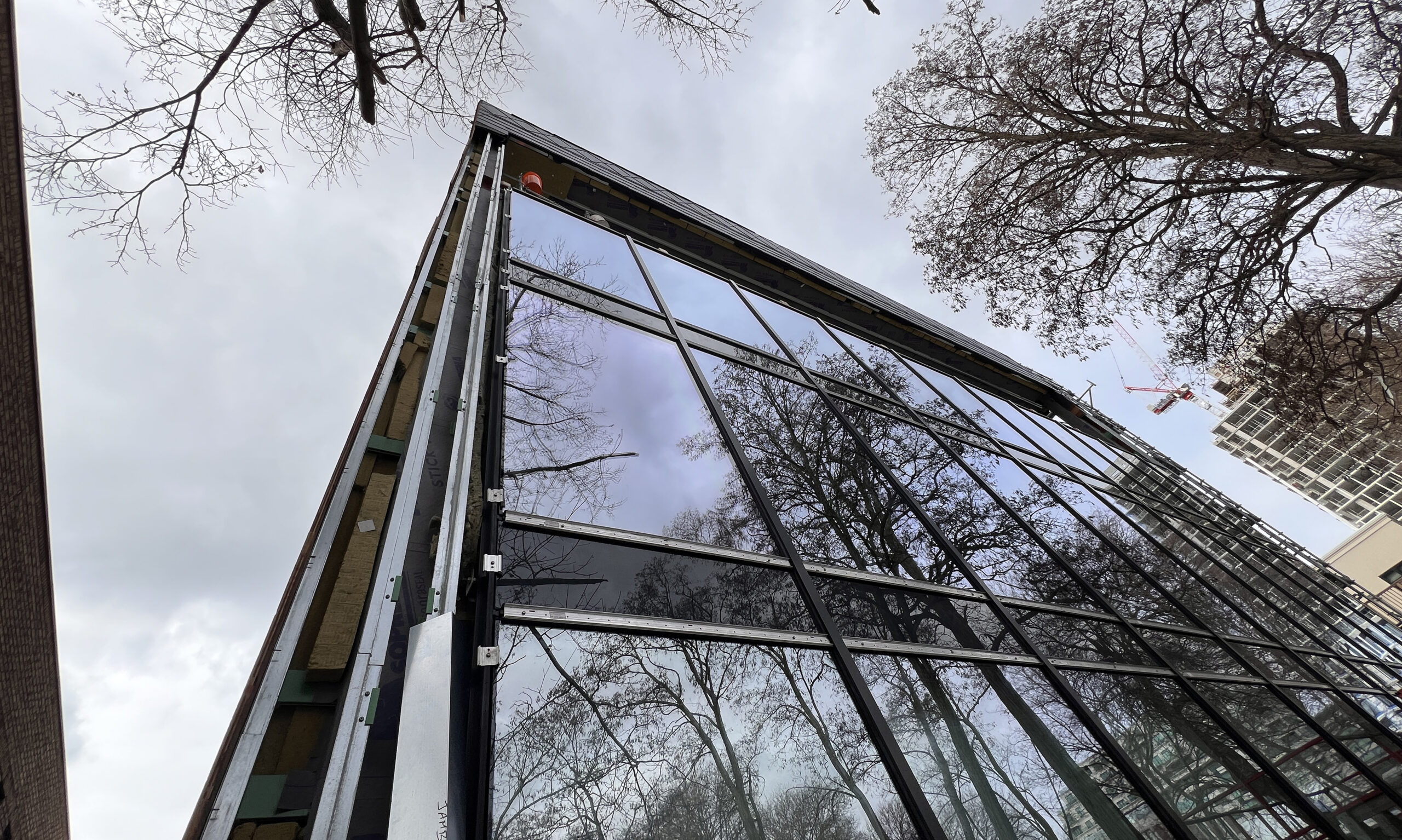
All windows and doors were specified as thermally broken, high-performance systems, achieving an average U-value of 1.47 W/m²K, which demonstrates an outperformance of typical airtightness standards by approximately 42%. The detailing of these openings were designed with energy performance in mind, while still prioritizing a comfortable occupant experience. Our approach was to position windows to maximize daylight and maintain strong visual connections to the surrounding neighbourhood.
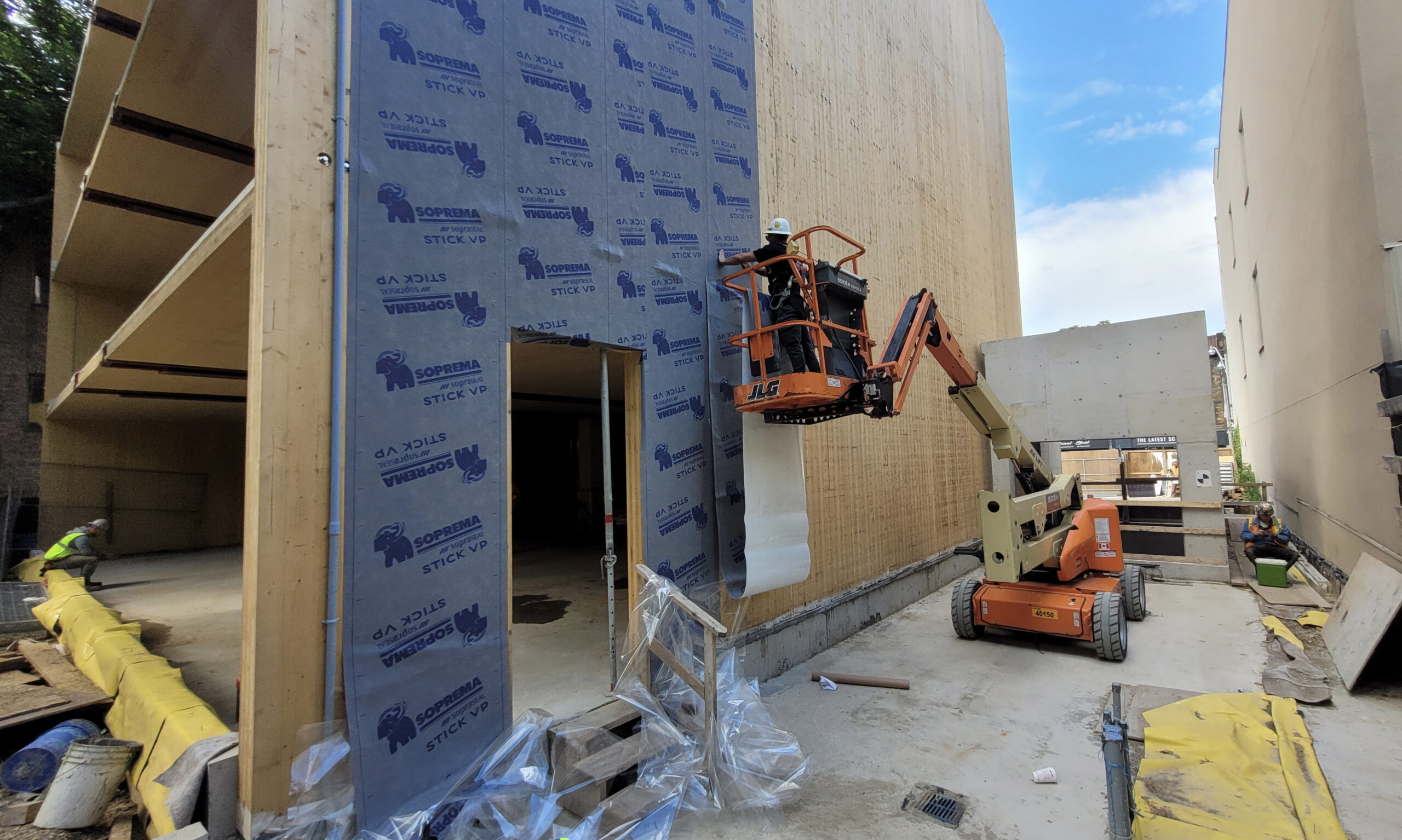
A high level of airtightness was another sustainable design goal with a desired aim of 1.0 ACH50, consistent with the Passive House EnerPHit standard. A continuous air barrier reduced uncontrolled air leakage, improving comfort, energy performance, and mechanical system efficiency, while also minimizing the risk of moisture seeping into the building enclosure.
Large, carefully positioned windows and skylights were included into the design to maximize natural daylight penetration. This helped reduce reliance on artificial lighting and enhanced the overall interior lighting design.
Water Management
Water efficiency was addressed through low-flow plumbing fixtures, resulting in an estimated 40% reduction in water consumption compared to conventional buildings.
Materials and Indoor Environment
Material selection followed a structured environmental assessment process, evaluating embodied carbon, durability, installation practicality, and long-term maintenance. Wherever possible, lower-impact materials were prioritized to reduce environmental impact while supporting long-term building performance.
A combination of energy recovery ventilation, UV air filtration, and dedicated exhaust for the parking garage were used to enhance the quality of the indoor environment. Interior finishes were selected for low- to no-VOC content, supporting healthier indoor conditions.
Site Integration & Sustainability
The property’s location already optimized access to existing urban infrastructure, transit, nearby services, and amenities, reducing dependence on car travel and supporting a more connected urban experience. Electric vehicle charging stations, bicycle storage, and permeable paving to manage stormwater on site were added. High-albedo landscape materials, such as a light-coloured paving, further reduced heat absorption, contributing to urban heat island mitigation. This approach helps lower elevated temperatures commonly experienced in dense urban areas by reducing heat retention in buildings and hardscape surfaces.
An Integrated Performance Approach
“High-performance design is most effective when it is fully integrated,” says Bill Dewson. “At Yonge Office, the structural systems, the envelope strategies, and the mechanical performance were considered together from the beginning to create a building that is adaptable, efficient, and designed for long-term resilience.”